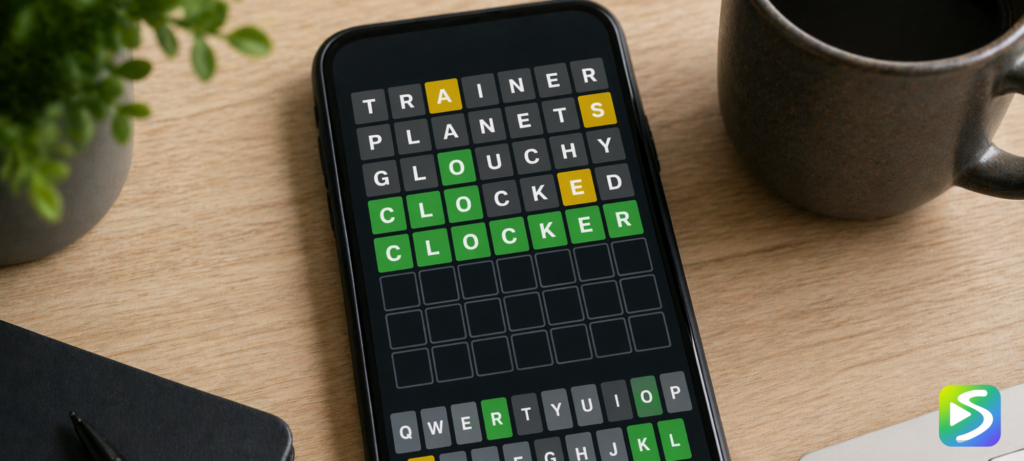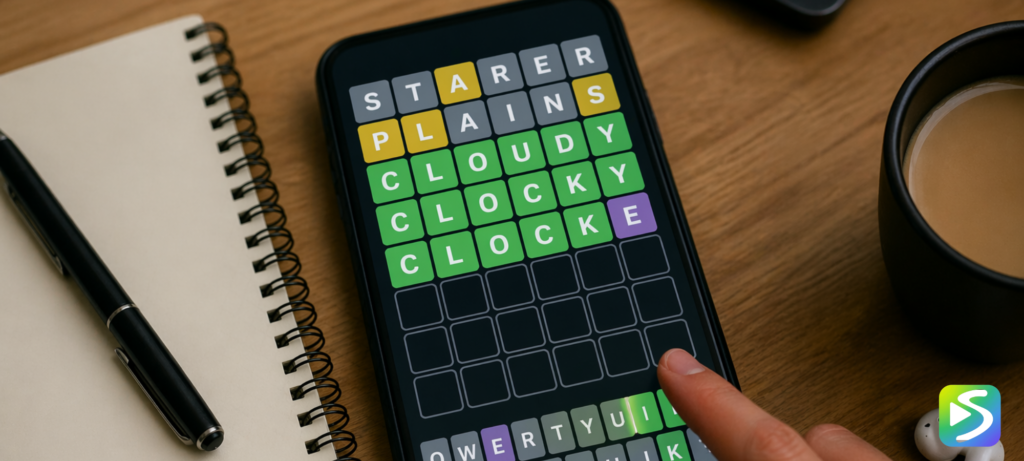
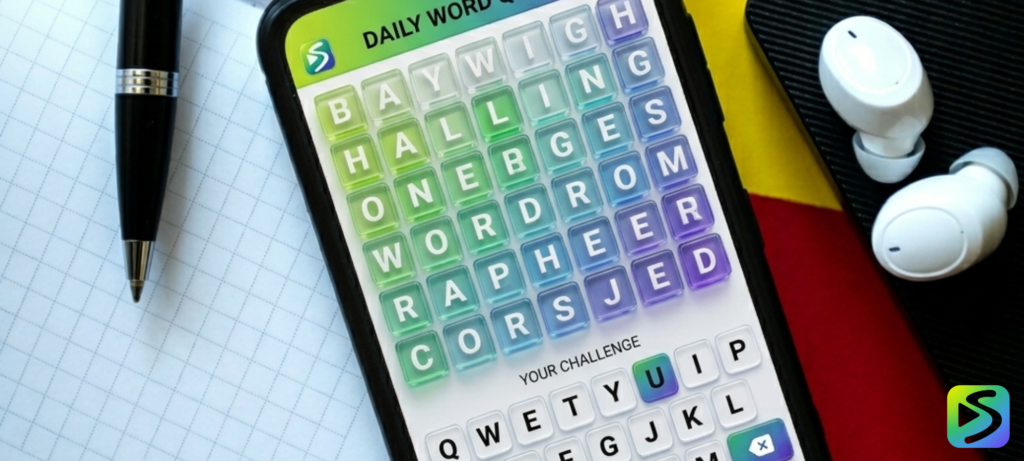
If you have been hanging around the word puzzle corners of the internet lately, you probably already know that the seven-letter challenge is a completely different beast compared to your standard five-letter games. Septle has quickly become a favorite for those who find the shorter versions a bit too easy, but the jump in difficulty is very real. When you are dealing with seven slots instead of five, the mathematical possibilities explode, which means your opening move is more important than ever before. Picking the best starting words for Septle isn’t just about being lucky; it is about using linguistics and simple probability to narrow down the board as fast as you can.
I have spent a lot of time analyzing how these grids work on sites like septle.org and honestly, most people fail because they treat it like a regular word game. You can’t just throw out a random word and hope for the best. You need a strategy that covers the most common vowels and the high-frequency consonants that appear in the English language. In this guide, we are going to break down exactly which words you should be using to start your daily session and why certain letter combinations are worth their weight in gold.
The Science Behind Seven Letter Puzzles
Before we dive into the specific word list, we have to look at the actual structure of seven-letter words. In a five-letter game, you can usually guess the vowels pretty quickly. However, in Septle, words often contain multiple vowels or complex consonant clusters like “STR,” “ING,” or “TION.” If you waste your first two turns on rare letters like Z, X, or Q, you are basically setting yourself up for a loss. The goal of a great starting word is to “burn” through the most common letters so you can spend your remaining turns actually solving the puzzle.
Many players forget that “S” and “ED” are incredibly common at the end of seven-letter words. While the game doesn’t always use plurals or past tense, having these letters in your opener can help you identify the suffix of the word early on. This is a huge tactical advantage. If you know the word ends in “ING” or “NESS,” you have already solved half the puzzle in one go. Using words that test these common structures is the secret sauce to a low score.
Top Tier Starting Words for Your First Move
When choosing an opener, you want a word that has at least three vowels and no repeating letters. Here are some of the absolute best starting words for Septle that I use regularly to keep my win streak alive.
DEALING
This is arguably the strongest opener available. It contains three very common vowels (E, A, I) and three of the most frequent consonants (D, L, N). The “ING” ending is a very common structure in seven-letter words, so testing those letters immediately gives you a massive head start on the word’s suffix. Even if the G isn’t there, knowing if there is an N or an L in the middle of the word helps immensely.
ORANGES
If you want to test for the letter S early, this is your best bet. It hits the vowels O, A, and E while checking if the word is a plural or a specific verb form. Since S is one of the most common letters in English, knowing its position—or lack thereof—is vital information. Plus, getting R and N out of the way is always a smart move.
ROASTED
This word is a powerhouse for testing “R”, “S”, and “T”. These are three of the most common consonants in the game. It also checks for the “ED” ending, which appears in a significant portion of the Septle dictionary. If you get a green “ED” at the end, you’ve basically won the round.
PAINTER
Another fantastic option that focuses on the “ER” ending. Many seven-letter words are occupations or actions ending in ER, such as teacher, printer, or learner. By using PAINTER, you cover A, I, and E along with P, N, T, and R. It is a very balanced word that rarely leaves you with zero hits.
CLEANER
Similar to PAINTER but substitutes the P and I for C and L. If you suspect a word has a softer sound or a liquid consonant like L, this is a solid choice. It’s also great for catching that “EA” vowel team which shows up all the time in English.
Managing Your Vowels Effectively
In Septle, vowels are the glue that holds the word together. If you don’t find the vowels by turn two, you are in serious trouble. Most successful players actually use a two-word opening strategy. For example, if you start with DEALING and don’t get many hits, you might follow up with a word like COURTSY or ROASTED to cover the remaining vowels like O and U.
It is a common mistake to try and guess the word on the second turn. Unless you have four or five green letters, it is almost always better to use another “filler” word that contains entirely different letters. This process of elimination is how the pros keep their averages low. You are essentially playing a game of battleship with the alphabet. By the time you reach guess three, you should ideally have seen at least 12 to 14 unique letters.
Why Letter Frequency is Your Best Friend
If you look at the English language, certain letters appear much more frequently than others. The letters E, T, A, O, I, N, S, R, H, and L are the heavy hitters. Your starting words should prioritize these. If your favorite starting word has a “K” or a “V” in it, you might want to rethink your approach. While those letters do appear, they are statistical outliers. You want to play the odds, not the exceptions.
On septle.org, the puzzles often lean towards words that are part of everyday vocabulary but long enough to be challenging. This means you will see a lot of compound words or words with common prefixes like “UN-” or “RE-“. Words like UNRAVEL or REPAINT can be good, but they are a bit risky as starters because they repeat letters or use less common combinations. Stick to the high-frequency openers first and save the specific guesses for later.
Helpful => How to Get Better at Septle – 6 Strategies
The Power of Consonant Clusters
One thing that makes 7-letter words unique is the presence of triple consonants. Think of words like “STRENGTH” or “THROUGH.” While those are 8 letters, the same logic applies to Septle. You might see “SPRINGY” or “SCRATCH.” If you notice that your vowels aren’t appearing in the middle of the word, you should start testing for clusters like “STR,” “CHR,” or “PH.”
Using a word like PHANTOM can be a bit of a gamble, but if you have already missed on the basic vowels, it helps you identify if you’re dealing with a more complex word structure. However, I usually recommend sticking to words like WHISPER or KITCHEN if you need to hunt for those specific “H” sounds after your initial opener.
People Also Ask
What is the best 7 letter word for Septle?
While there isn’t one single “perfect” word, DEALING and ORANGES are statistically the best because they cover the most common letters and vowels without repetitions.
Should I use words with repeating letters?
No, never use a word with repeating letters for your first guess. You want to maximize the amount of information you get. Repeating a letter wastes a slot that could have been used to test a new letter.
Is Septle harder than Wordle?
Generally, yes. The jump from five to seven letters increases the word pool significantly. It requires more focus on suffixes like -ING, -TION, and -NESS, which aren’t as prevalent in 5-letter games.
Common Suffixes and Prefixes to Watch For
As you play more on septle.org, you will start to notice patterns. Seven-letter words are often built from smaller root words. Keep an eye out for these common endings:
-ING (Playing, Walking)
-ED (Jumped, Cleaned)
-ER (Trainer, Speaker)
-LY (Quickly, Softly)
-ES (Matches, Oranges)
If your starting word gives you a yellow “N” and “G,” there is a very high chance they belong at the end of the word. Similarly, if you see a “U” and “N” at the start, try testing words that begin with the “UN-” prefix. Knowing these “blocks” of letters makes the 7-letter grid feel much smaller and more manageable.
Advanced Strategies for Septle Pros
Once you have mastered the best starting words for Septle, you can start looking at “Second Word” strategies. This is where you have a pre-planned second word that uses all the letters your first word missed. For example, if you start with AUREOLI (a great vowel-heavy word), and it fails, you might follow up with something like THYMES or SNICKED.
Another tip is to pay attention to the “Y”. In seven-letter words, Y often acts as a vowel at the end of the word (like in QUICKLY). If you have tried A, E, I, O, and U and nothing is sticking, the Y is almost certainly your missing piece. Don’t forget that Y can also appear in the middle of words like “RHYTHM,” though that is much rarer in this format.
Faqs
How many tries do I get in Septle?
Most versions of the game give you six or seven tries to guess the word, but since the words are longer, every guess is much more precious than in shorter games.
Are plurals allowed in Septle?
It depends on the specific version of the game, but usually, yes, seven-letter plurals are included in the dictionary. This is why testing the “S” early is so important.
Can I change my starting word every day?
You can, but many experts suggest sticking to one or two “standard” openers so you become familiar with how the board reacts to those specific letters. It helps build a sort of muscle memory for the game.
What if I get no letters on my first guess?
Don’t panic! This is actually very helpful. It means you have successfully eliminated seven common letters, making it much easier to narrow down the remaining possibilities with your second word. You’ve cleared the “noise” and can now focus on the rest of the alphabet.
Final Thought
Mastering Septle is all about patience and strategy. By using the best starting words for Septle like DEALING, ORANGES, or ROASTED, you give yourself the best possible chance to solve the puzzle in as few moves as possible. Remember to focus on vowel coverage and common consonant clusters. Don’t be afraid to use your first two turns just to gather info rather than swinging for the fences and guessing a word you aren’t sure of yet. Head over to septle.org and try out these words today—you might just find your new favorite opening move and see your scores start to drop. Happy puzzling!
You may also like: Septle