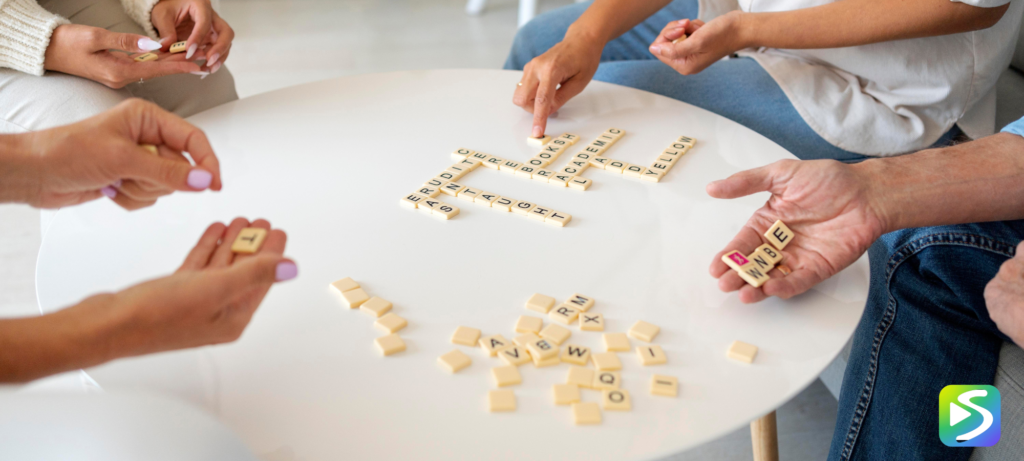
Morning routines have been written about more than almost any other productivity topic. Most of the advice falls into the same categories — exercise, journaling, meditation, cold showers, reading. What rarely comes up is the humble daily word puzzle, which is quietly one of the more effective morning routine activities available and takes less than ten minutes to complete.
This is not about productivity optimization in the aggressive sense. It is about starting the day with something that engages your brain deliberately, produces a small but genuine sense of accomplishment, and creates a reliable mental transition between sleep and the demands of the day. Word games do all of this in a format most people genuinely enjoy.
The Problem With Most Morning Routines
The most common morning routine mistake is designing something so demanding that it only works on perfect days. A ninety-minute routine that requires an early alarm, a workout, a meditation session, journaling, and a healthy breakfast will produce good days when everything goes right. On the other sixty percent of mornings, it will produce guilt and abandonment.
The more useful framework is to anchor your morning to one or two reliable keystone habits — small, enjoyable activities that activate reliably regardless of energy levels, time pressure, or mood — and let everything else vary around them. A daily word puzzle is an excellent keystone habit candidate because it is short, intrinsically enjoyable, and produces a consistent reward in the form of the solve.
The Mental Activation Argument
The brain does not arrive at full cognitive function the moment you wake up. There is a transition period — sometimes called sleep inertia — during which alertness, processing speed, and working memory are all below their daytime baseline. Most people manage this with caffeine, but the effect of caffeine is delayed and blunt. A focused cognitive activity creates a more direct on-ramp to full mental engagement.
A daily word puzzle achieves this specifically because it requires active thinking rather than passive consumption. Reading the news, scrolling social media, or watching content during the morning transition period keeps you in a receptive, passive cognitive state. A word puzzle demands that you generate, evaluate, and decide — which activates the cognitive systems needed for productive work much more directly.
The seven-letter format at the Septle is particularly effective as a morning warm-up because the additional difficulty requires genuine cognitive engagement from the first guess. There is no coasting through a seven-letter puzzle on autopilot.
The Accomplishment Effect
One of the less discussed benefits of a morning word puzzle is the small but real accomplishment it creates before the workday begins. Most modern work involves progress that is difficult to measure and outcomes that take time to materialize. A word puzzle delivers a clear, unambiguous outcome — solved or not solved — within ten minutes.
Starting the day with a concrete achievement, however small, has a documented effect on motivation and momentum. The psychological concept of “small wins” describes how minor accomplishments activate the reward systems associated with motivation and confidence, priming the mind for further productive effort. A morning word puzzle is a reliable, repeatable source of small wins.
Building the Morning Ritual: Practical Steps
The most effective way to build a morning word puzzle habit is to attach it to something you already do automatically. The most common successful anchors are: after starting the coffee maker, after sitting down at a desk or breakfast table, or during the first few minutes of a commute. The specific anchor matters less than its reliability — you want the puzzle to activate whenever the trigger does, without requiring a deliberate decision.
Start with one game for at least two weeks before adding another. Most successful daily puzzle players who have maintained the habit for a year or more describe the same pattern: the first week required deliberate effort to remember, the second week started to feel natural, and by week three the habit activated almost automatically.
Players who want to extend their morning session can add the bonus puzzles within Septle — a six-letter challenge and a five-letter mode — all in the same place. The how to get better at Septle guide covers strategy for players who want to use their morning sessions more effectively.
The Social Dimension of Morning Puzzles
There is a social layer to daily word games that enhances the morning ritual in a way few other morning activities can match. Because every player gets the same word on the same day, there is something to discuss with anyone else who plays. Comparing scores over breakfast, messaging a friend your result, or posting your grid to social media creates a shared experience that extends the morning moment.
This social dimension is not trivial. Morning routines are often solitary and internal. A shared puzzle creates a small but genuine point of connection — something to talk about, a common reference point, a reason to message someone you might not have contacted otherwise.
Word Games vs. Other Morning Cognitive Activities
Meditation is the most commonly recommended morning cognitive activity, and for good reason — the research on its benefits is solid and the practice requires no equipment. But meditation is genuinely difficult to maintain for many people, particularly those who find silence and stillness uncomfortable or who are in the middle of demanding life periods.
Word games occupy a different but complementary position. They do not produce the same calming, attention-training effects as meditation, but they produce sharper mental activation and a concrete engagement with language and logic that meditation does not provide. Research from the National Institutes of Health on cognitively engaging activities suggests that the verbal and logical engagement in word puzzles supports mental sharpness in ways that complement rather than duplicate meditation’s benefits.
For many people, a combination works well: five to ten minutes of morning word puzzle for mental activation and the accomplishment effect, followed by a shorter meditation or breathing practice for calm. The total time is still under twenty minutes and covers both cognitive activation and emotional regulation.
Frequently Asked Questions
What is the best time of day to play word games?
Morning tends to be optimal for most people because working memory and verbal processing are typically at their peak in the first few hours after full waking. However, the best time is whichever you will maintain consistently — a consistent evening habit outperforms an inconsistent morning habit.
How long does a daily word game take?
A typical daily Septle session takes five to ten minutes for the main puzzle. Adding the bonus puzzles extends this to around fifteen minutes total. This makes it genuinely manageable as a morning routine element even on busy days.
Can morning word games replace coffee for mental activation?
Not entirely — caffeine has physiological effects that a word puzzle does not. But the cognitive activation from a focused puzzle engagement is a meaningful complement to caffeine and produces the mental transition to alert thinking more directly than passive consumption of news or social media during the same morning window.
Why are word games good for mental health?
Daily word games contribute to mental health through several mechanisms: the sense of accomplishment from solving, the social connection available through shared daily puzzles, the focused attention that creates a brief respite from ambient anxiety, and the mild challenge that keeps the morning mentally engaging rather than passive.
Is it better to play word games alone or with others?
Both have value. Solo play builds personal strategy and vocabulary over time. Playing with others — comparing results, discussing approaches, sharing grids — adds a social dimension that enhances motivation and creates connection. Many regular players do both: play the daily puzzle solo and share results with a group.